Clutter doesn’t happen overnight. It creeps in—one drawer, one shelf, one “I’ll deal with it later” at a time. Before you know it, your space feels smaller, heavier, harder to breathe in. The fix isn’t a bigger house. It’s smarter systems. With the right storage hacks, you can reclaim square footage you didn’t even know you had and turn chaos into calm without spending a fortune.
Start With Vertical Space: Go Up or Go Home
Most people think horizontally. Shelves, counters, floors. That’s the mistake.
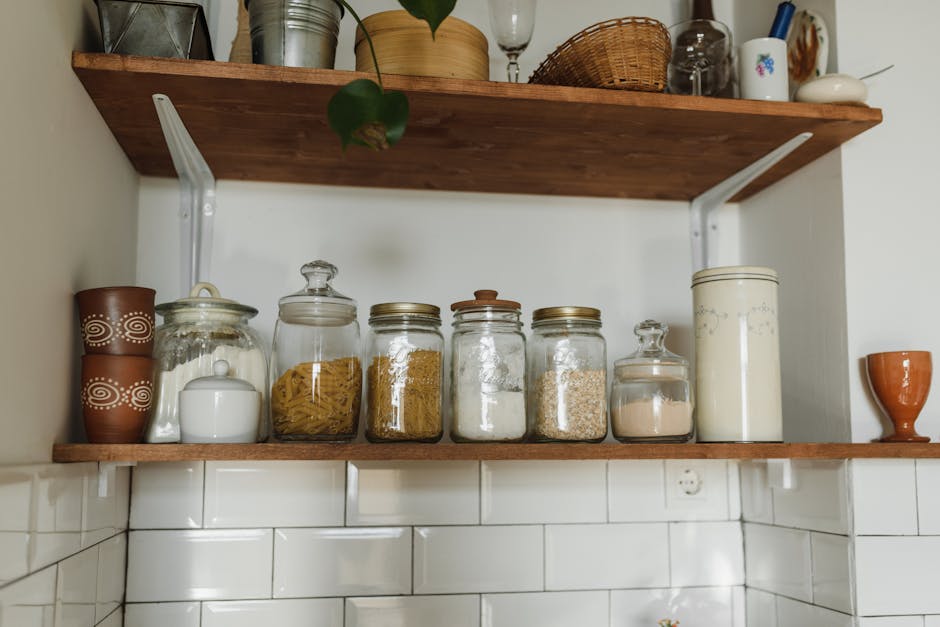
Look up. Your walls are prime real estate.
Install floating shelves above desks, beds, and doorways. Add tall bookcases that reach the ceiling. Use wall-mounted racks in kitchens and bathrooms. Vertical storage keeps your essentials accessible without eating up valuable floor space.
Pro tip: When using high shelves, store items in labeled bins. Clean, uniform containers instantly reduce visual noise. Less chaos. More clarity.
Under-the-Bed Storage: The Hidden Goldmine
The space under your bed shouldn’t be a dust cemetery.
It’s one of the most underutilized storage zones in any home. Use flat storage bins with wheels for seasonal clothes, extra linens, or shoes. If you’re serious, invest in a bed frame with built-in drawers.
Small bedroom? This move alone can eliminate the need for a bulky dresser.
Minimal effort. Major payoff.
Drawer Dividers: Small Tool, Big Impact
Drawers become junk zones fast. One week they’re organized. The next, they’re chaos.
Drawer dividers fix that. In kitchens, they separate utensils. In offices, they tame cables and stationery. In bathrooms, they prevent skincare and grooming products from becoming a pile.
The key is segmentation. When everything has a defined space, it’s harder to let things spiral out of control.
Structure creates discipline—even in your sock drawer.
Multi-Functional Furniture: Double Duty or Don’t Buy It
If you live in a small apartment, this is non-negotiable.
Ottomans with hidden compartments. Coffee tables with lift-up tops. Benches with internal storage. Beds with drawers. Desks with shelving.
Every piece of furniture should earn its place. If it can’t serve at least two purposes, reconsider it.
This mindset shifts how you shop. You stop buying filler. You start investing in functionality.
The Power of Clear Containers
Out of sight often means out of mind—and eventually, duplicate purchases.
Clear containers eliminate the guesswork. You see what you have. You use what you own. You stop buying unnecessary extras.
Use them in the pantry for dry goods, in the fridge for produce, in closets for accessories. Uniform containers also create a visually cohesive look that instantly makes a space feel more organized.
Simple. Practical. Effective.
Door Storage: The Secret Weapon
Doors are overlooked storage gold.
Over-the-door organizers aren’t just for shoes. Use them for cleaning supplies, pantry snacks, bathroom essentials, or even office tools.
Cabinet doors can also hold mounted racks for spices, lids, or cutting boards. This keeps counters clear and creates extra breathing room in tight kitchens.
You’re not adding space. You’re revealing it.
Declutter Before You Store
Let’s be blunt: no storage solution can fix too much stuff.
Before organizing, purge.
If you haven’t used it in a year, question it. If it doesn’t serve a purpose or bring real value, let it go. Storage works best when it supports what matters—not when it hides what doesn’t.
Decluttering isn’t about perfection. It’s about alignment. Keep what earns its place.
Label Everything (Yes, Everything)
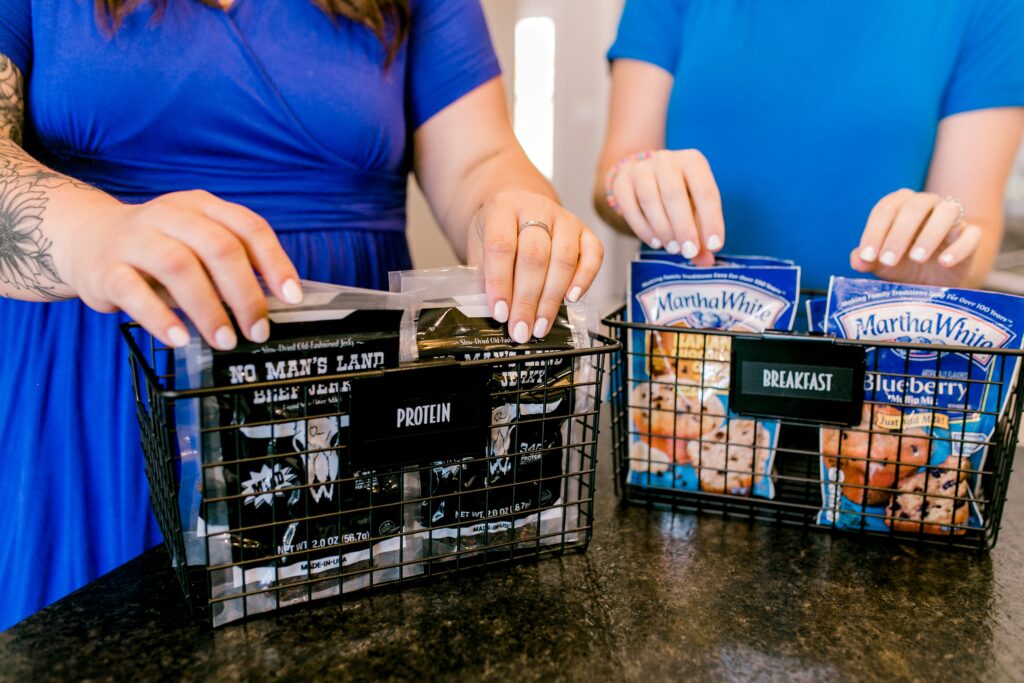
Labeling isn’t obsessive. It’s strategic.
Labels remove friction. They tell you—and everyone else in your household—exactly where things belong. That means less guessing and fewer misplaced items.
Use simple printed labels or a label maker for a cleaner look. In shared spaces like kitchens and garages, this is especially powerful.
Clarity reduces clutter. Period.
Smart Closet Upgrades
Closets are often stuffed, not organized.
Upgrade them with these quick wins:
- Double hanging rods to maximize vertical space.
- Matching slim hangers to reduce bulk.
- Shelf dividers to keep stacks neat.
- Hanging organizers for shoes or sweaters.
Another pro move: rotate seasonally. Keep only current-season clothes accessible. Store the rest elsewhere. This instantly reduces visual overload.
Your closet should feel curated, not crammed.
Kitchen Zones: Organize by Function
Kitchens attract clutter like magnets.
The fix? Zones.
Create defined areas: coffee station, baking zone, meal prep zone, snack drawer. Store items where they’re used—not where they “fit.”
For example, keep cutting boards and knives near prep space. Store coffee mugs near the machine. Place trash bags at the bottom of the bin, not across the room.
Efficiency isn’t about aesthetics. It’s about flow.
Bathroom Storage That Actually Works
Bathrooms are tight on space. That means strategy matters.
Use stackable bins under the sink. Install corner shelves in the shower. Add narrow rolling carts between tight gaps. Mount baskets on walls for towels.
Keep countertops minimal. Daily essentials only. Everything else gets a home out of sight.
Clean surfaces equal a cleaner mind.
Garage and Entryway Control
The garage and entryway are clutter hotspots. They collect everything from shoes to sports gear to mystery boxes.
Install wall-mounted hooks for coats and bags. Use cubbies for shoes. Add pegboards in the garage for tools. Store seasonal equipment in labeled bins on high shelves.
Contain the chaos at the door. If clutter doesn’t spread past the entryway, your entire home feels more controlled.
Adopt the “One In, One Out” Rule
Here’s the discipline part.
For every new item that enters your home, one leaves. Bought new shoes? Donate an old pair. New kitchen gadget? Retire one you don’t use.
This rule prevents slow clutter creep. It keeps your storage systems from getting overwhelmed over time.
It’s not restrictive. It’s intentional.
Use Baskets for Quick Wins
Not every space needs a complex system.
Baskets are fast, flexible solutions. Use them to group remote controls, throw blankets, kids’ toys, or mail. They hide visual clutter while keeping items accessible.
Choose neutral tones for a cohesive look, or textured materials like wicker for warmth.
Contain. Simplify. Move on.
Create a Drop Zone
Keys. Wallet. Mail. Sunglasses.
These daily items often create clutter piles. Fix that with a dedicated drop zone near the entrance. A small tray, wall hooks, or a compact console table works.
Train yourself to use it every day. No exceptions.
Consistency builds order.
Digitize When Possible
Paper piles are silent space killers.
Scan important documents. Switch to paperless billing. Store files digitally with secure backups. Keep only essential hard copies in a compact file organizer.
Less paper equals less physical storage needed.
Modern problems require modern solutions.
Make It a Habit, Not a One-Time Event
Decluttering isn’t a weekend project. It’s a lifestyle.
Spend 10 minutes each evening resetting your space. Return items to their homes. Clear counters. Prep for the next day.
Small daily actions prevent overwhelming messes.
Discipline beats deep cleans every time.
Final Thoughts: Clarity Is a System
A decluttered home isn’t about being minimalist or obsessively tidy. It’s about control. It’s about designing systems that support your life instead of slowing it down.
Smart storage ideas don’t require massive renovations or expensive custom cabinetry. They require awareness. Intention. Strategy.
Use vertical space. Maximize hidden areas. Choose multi-functional furniture. Label with purpose. Declutter first. Maintain daily.
Less stuff. More space. Clear mind.
That’s the goal.
Start small. Pick one room. Apply one strategy today. Momentum builds fast when your environment works with you—not against you.
Declutter the space. Strengthen the system. Keep it simple.
Your home should feel like a base of operations, not a storage unit.